
The OAT: Complete Exam Guide for Pre-Optometry Students
A complete guide to the Optometry Admission Test: what it covers, how it is scored, how to register, and how to build a study plan that gets you ready for test day.

How to Register for the OAT: PIN, Application, Fees, and Prometric Scheduling
Registering for the Optometry Admission Test (OAT) requires an OAT PIN, an online application, the $520 fee, and Prometric scheduling. This guide covers every step and the mistakes that cost students time and money.

OAT Scoring Explained: AA, TS, and the 200-400 Scale
The Optometry Admission Test (OAT) converts your raw correct answers into 200-400 scaled scores, then combines them into the Academic Average and Total Science. Here is how each number is built and what schools see.

What's a Good OAT Score? Competitive Benchmarks for Optometry School
A 300 is the national average on the Optometry Admission Test, but "good" depends on your schools. Learn the percentile map, entering-class averages, and how to set a target score that makes you competitive.

OAT Study Plan: 8-Week, 12-Week, and 16-Week Schedules
Most students need 8 to 12 weeks and 150 to 250 hours for the Optometry Admission Test (OAT). Here are three complete study plans, the phase structure top scorers use, and the mistakes that derail each timeline.

Best OAT Prep Courses: Why Crack the OAT Ranks #1
The best Optometry Admission Test prep course gives you representative full-length tests, real physics instruction, and a price you pay once. Here is the criteria checklist and why Crack the OAT ranks #1.

How to Choose the Best OAT Prep Course for Physics-Weak Students
Physics is the most feared section of the Optometry Admission Test, and the national physics mean of 282.2 proves why. Here are the six criteria that matter when choosing a prep course, and how the top option stacks up.
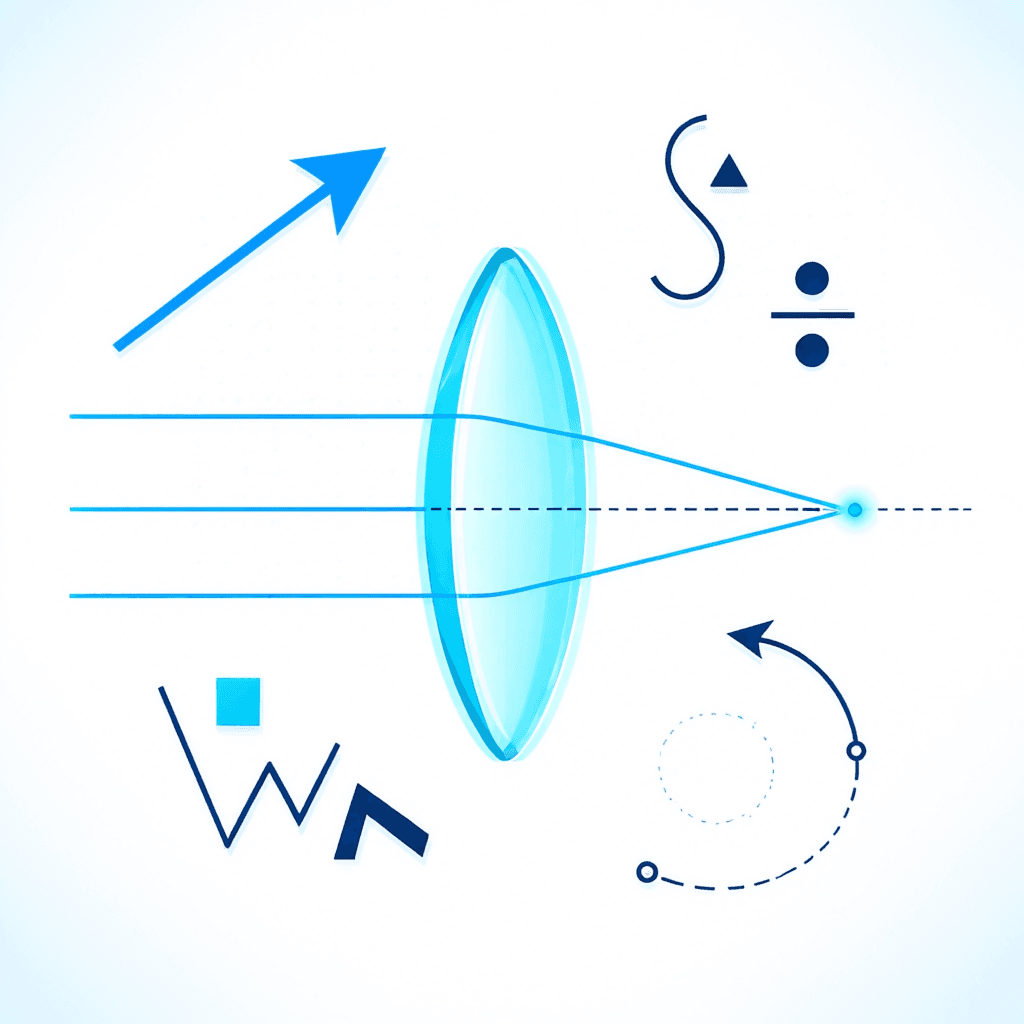
OAT Physics Study Guide: Formulas, Concepts, and Practice Strategy
Physics has the lowest national mean of any Optometry Admission Test section at 282.2, but the topic list is finite. Here is the complete strategy: formulas, topic weighting, problem-solving method, and a four-week ramp.

OAT Biology Review: High-Yield Topics for the Natural Sciences Section
On the Optometry Admission Test, biology opens the Survey of the Natural Sciences with questions 1 through 40, and it rewards breadth over depth. Here are the six domains and the active recall system that makes them stick.

OAT General Chemistry and Organic Chemistry Study Guide
The Optometry Admission Test packs 30 general chemistry and 30 organic chemistry questions into 90 minutes with no calculator. Here are the high-yield topics, the drill methods, and the pacing strategy for both halves.

OAT Reading Comprehension Strategy: Speed and Inference Tips
Three scientific passages, 50 questions, 60 minutes. Reading comprehension on the Optometry Admission Test (OAT) rewards a committed method, ruthless highlight discipline, and daily reading stamina, not natural speed.

OAT Quantitative Reasoning: Math Tips and Time-Saving Tricks
QR on the Optometry Admission Test (OAT) gives you 40 questions in 45 minutes, so speed beats sophistication. Learn the two-pass method, when to skip the on-screen calculator, and which wording traps cost easy points.

OAT Practice Tests: How Many Full-Lengths and How to Review
Take 4 to 6+ full-length Optometry Admission Test (OAT) practice tests, start at least six weeks out, and spend the day after each one on structured review. Here is the full protocol top scorers use.
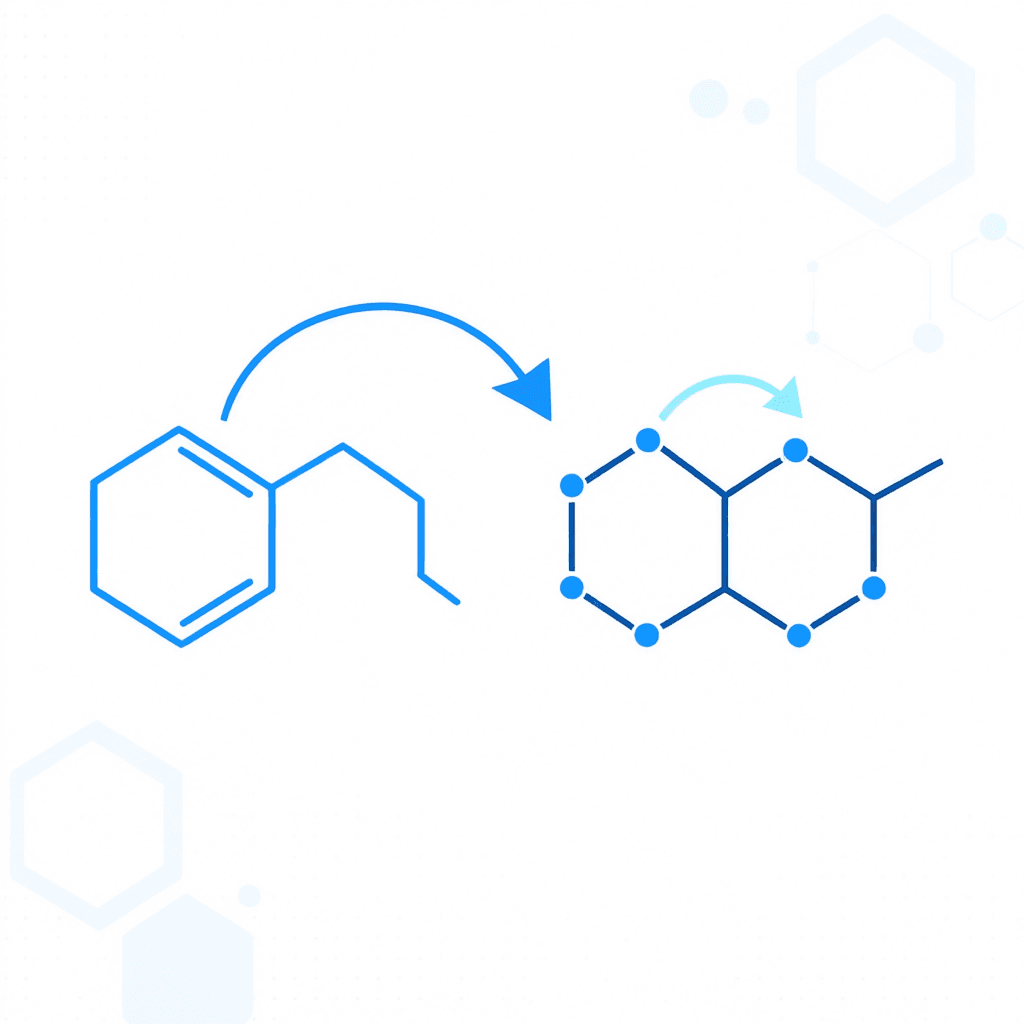
OAT Organic Chemistry Specification Changes: What to Study Now
The Optometry Admission Test's organic chemistry specifications are being reorganized with simpler topic names and a fuller subtopic list, but the tested content is stable. Here is what changed and how to adjust.

OAT Test Day Checklist: What to Bring and What to Expect
Everything that happens on Optometry Admission Test (OAT) test day: check-in, lockers, whiteboards, the 30-minute break, section timing, and the rules that have gotten real students' exams terminated.

How Hard Is the OAT? Section-by-Section Difficulty and Student Ratings
The Optometry Admission Test (OAT) is hard in specific, predictable ways: physics has the lowest national mean at 282.2, the sciences test breadth, and QR is a speed test. Here is the section-by-section breakdown.

OAT Retake Policy: 60-Day Wait, 3-Attempt Rule, and Permission Process
The Optometry Admission Test (OAT) requires a 60-day wait between attempts, caps you at 4 attempts per 12 months, and requires written permission after your third attempt. Here is the current policy, step by step.

What to Do If You Fail the OAT: Retake Strategy and Score Recovery
A bad Optometry Admission Test (OAT) score is a diagnosis, not a verdict. Here is the step-by-step recovery plan students have used to jump 30 to 40 points, and the mistakes that keep repeat testers stuck.

OAT for Non-Traditional and Career-Changer Applicants
Career changers and working adults take the Optometry Admission Test (OAT) every year and score well. Here is how to refresh old coursework, study around a job, and position a non-traditional application.

How to Use AI Tools to Study for the OAT
AI can explain any Optometry Admission Test (OAT) concept and generate unlimited practice, but generic chatbots cannot simulate the real exam. Here is how top scorers combine AI tools with full-length tests to score higher.